

All But Gone: Chronic Pain and Grief
Expanding to accept the loss that chronic pain brings and embracing a new future
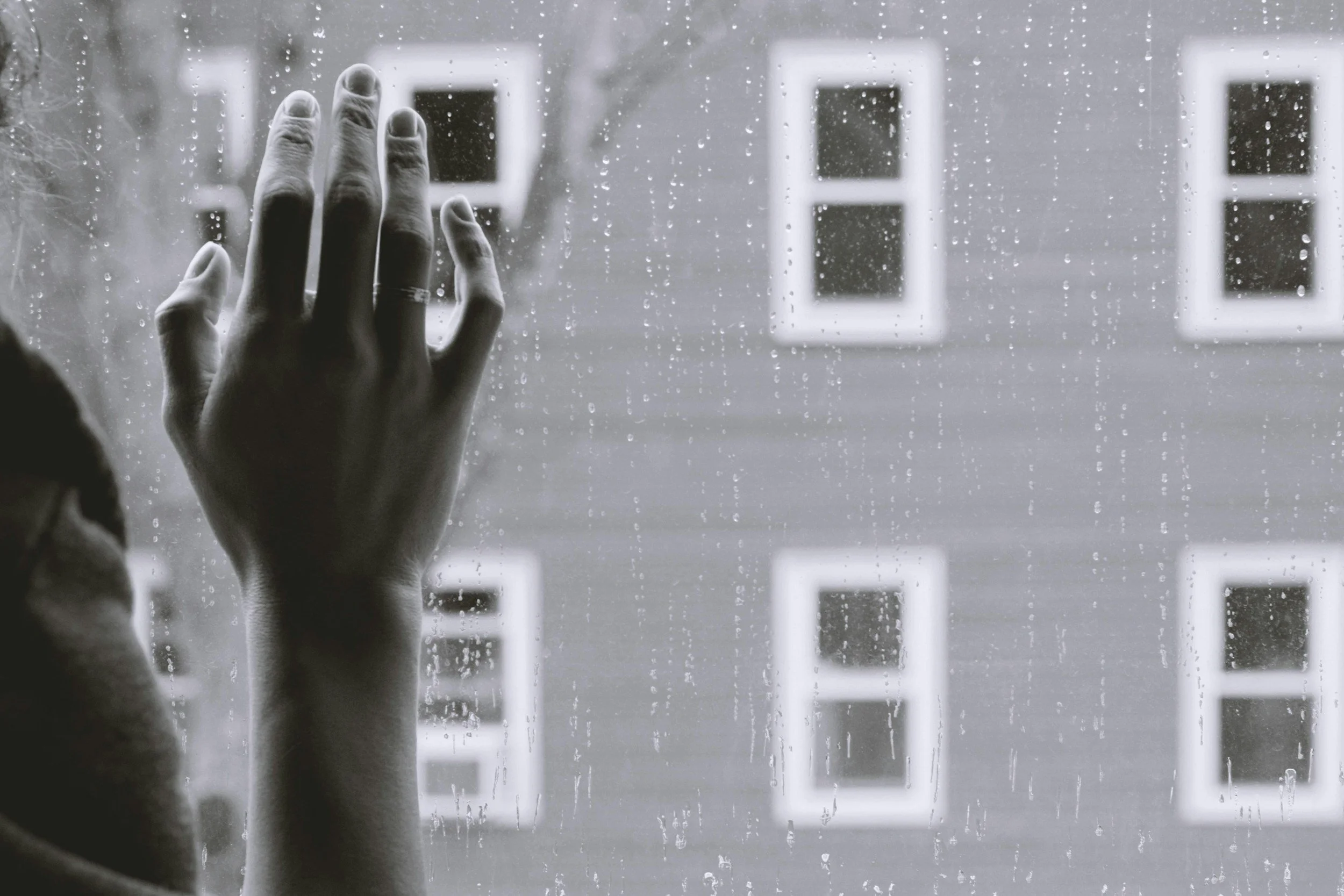
With chronic pain, sometimes it’s a gradual descent into the abyss, letting go little by little of the self we knew until we are unrecognizable. Other times, it’s all at once, everything stripped from us in the blink of an eye, leaving us shocked, stunned, and reeling.
We grieve the lives we have lost, the access to so many things we feel only a functional body provides: productivity, contribution, connection, fulfillment, resource acquisition, fun, joy, meaning, purpose, vibrancy, hope, faith, confidence, belonging, security, sanity, our very identities. In their place, we are left with emptiness, fear, loneliness, insecurity, shame, doubt, anger, confusion, disorientation, disintegration, bleak nothingness.
We grieve the life we had not yet lived. In that moment we realize we may never get back what was lost, we imagine a future of suffering and nothing left to reach for. We feel alone and isolated in our suffering, feeling like nobody understands and everyone has deserted us. In hindsight, we recognize all we took for granted, kicking ourselves for not being present, for not realizing all we had, regretting choices we made that dishonored ourselves. We blame and shame ourselves, we seek to understand the meaning of it all, we have a million questions and very few answers.
Grief is a process that takes time. Before we can begin to imagine hope for a new future, we have to allow ourselves to mourn. And then, we can learn do both simultaneously. We can learn to accept and bring our grief along, letting the waves come and go, as we cultivate a new garden, building a new life with chronic pain as a part of it.
Chronic Illness and Classic Stages of Grief
Acceptance is one of the five stages in Dr. Elisabeth Kubler-Ross’ famous model of grief. In fact, it is considered the “final” stage. But these stages are not linear, they are cyclical, they are seasonal. Grief resurfaces time and again, often when we aren’t expecting it, going through stages of acute distress and pain, and then periods of dormancy and with them, some relief.

Let’s take a look at these stages and see what they mean through the lens of the chronic pain experience:
Denial
When we can’t bear to face the truth of our loss, we exist in a state of emotional disconnection, of delusion, of dissociation. Denial is protective and largely unconscious. It is natural to be stuck in the shock of disbelief, of imagining nothing has changed, living in the liminal space in between the reality of what was and the reality of what is. When we deny the what we’ve lost, it may serve to soften the blow, prolonging the memory of health, though only delaying the inevitable harsh wake-up call that we are no longer what or who we once were.
The unpredictability of life with chronic pain can fool us into thinking we are back to “normal” on a good pain day, only to bring us crashing back into the disappointment of debilitation on a bad pain day. We want to maintain our same level of performance and productivity in order to ward off the losses that chronic pain would otherwise bring, and denial seems to offer something akin to hope to keep going in those first surreal moments when the finality of loss has not yet registered.
Bargaining
We cry out to the Heavens, we beg and plead for healing, we wish for a miracle to bring us back the body we relied on. Once we awaken from denial, the pain strikes swiftly, straight to our core, to our heart and soul. Bargaining is when we still haven’t acknowledged that what we’ve lost is really gone forever, believing there must be some way to wake up from this nightmare. What we would give to have one more day in our old body. What-ifs abound. But alas, it’s all for naught.
Bargaining is the semi-delusional state where we are in between the shock of disbelief and the rage of realizing the truth. In this stage, we wish an pray, we just can’t shake the notion there is still something we can do to reclaim what was lost. This stage takes time and can’t be rushed, otherwise it lingers, continuing to call us back to the past and further away from acceptance of a new reality. Like most emotions and states, it will not let go until it has run its course.
Anger
Once all delusion has lifted, we become enraged. This is not fair, not right, doesn’t make sense. We feel betrayed, we feel robbed, and we are angry. Grief can make us feel even more at odds with our bodies because we feel they are the impediment, that they are what stole all our hope and joy. We treat our bodies as our enemies because we don’t know who else to blame.
The anger we feel is so real, and it is valid. Our relationships with our bodies are complicated. Anger is a necessary and natural emotion that deserves its own space and time to be processed and metabolized. Perhaps there is a bit of entitlement in our anger, if we are honest, that we felt we deserved so much more, that it f***ing sucks, in fact. This anger may feel childish, petulant, irrational, but it is a natural rage against the reality of our limitations. And it deserves space. Many of us are taught that anger is dangerous and uncivilized. But when we suppress our righteous anger, we smolder inside, creating more stress and taxing our systems further. It is important we have a safe space to express our anger without judgment.
Depression
When we realize our rage won’t change anything, hopelessness sets in. This is where we may feel defeated, recognizing that no matter how we ignore, beg and plead, or rage against it, the loss is real. Depression is the place where we find ourselves wrung out, spent from the intensity of the fight against this reality. It is a quiet place where tears may stream, where we are laid completely bare, defenseless, finally beginning to let go of the notion we can go back to what was.
When we are in this space, it can feel like all hope is lost, as if letting go of the fight means letting go of life altogether. This is not true, but it is what feels true in this moment. The parts of us that are despairing deserve to be felt, not argued with, not given a pep talk. In this space, well-meaning others may try to console or remind us “everything happens for a reason.” This is the last thing we need when in this space. What we need here is to be held (or not), to be seen and given space to be. Depression is the darkest part of the cycle, one where others really tend to turn away from us, when what we need most is to know we are not alone. No one can fix or change what is, and we don’t need them to. We just need to be allowed to be here and move through this feeling at our own pace.
Acceptance
Acceptance does not mean evicting the pain of loss, instead it is the act of acknowledging the truth of loss, then expanding our lives to include pain and grief, adapting to a new reality. This adaptation brings liberation, an opportunity to reanimate the future we thought was all but gone. It may look different, and it can still be beautiful, enriching, rewarding, and meaningful. When we are attached to the fantasy of the past being the only way to live, we are robbed of the opportunity to salvage what is left, to be reborn.
Acceptance is really about recognizing that grief becomes integrated, and that it is a sacred thing to nurture, to hold with tenderness, to gently allow to move with and through us. With acceptance, we make peace with what is in order to embrace what can be.
““The reality is that you will grieve forever. You will not ‘get over’ the loss… you will learn to live with it. You will heal and you will rebuild yourself around the loss you have suffered. You will be whole again but you will never be the same. Nor should you be the same nor would you want to.””
Accepting the Reality of Grief’s Re-emergence
Again, these stages aren’t linear, and reaching acceptance doesn’t mean grief won’t return. There may be times we move through phases to acceptance, and we can stay there for some time. But then, the pain of grief may swoop back in out of the blue. Have you ever felt like you were having a “good pain day” and sort of forgot you had limitations, becoming stunned when you couldn’t make it up the flight of stairs, or went to do something you used to do with ease, only to be confronted with the harsh reality of the physical limitations you had temporarily forgotten? This tends to start the cycle over, or have us dipping back into any one of the first four stages.
Maybe we feel pissed that we saw a moment of relief and mistakenly thought we were “better” only to face the truth of our illness all over again. Maybe we are heartbroken once more, recognizing with renewed disappointment that our will is not enough to overpower our limitations, that what we want to do and what we can actually do are two different things. When we enter back into these emotions, we have to once again allow them to flow. We have to have compassion for ourselves in these moments and accept them as part of the ongoing process of living with grief.
When we expect that reaching “acceptance” is the end of the line, and that we are healed, free, and done with the suffering of grief, we are more vulnerable to being devastated and confused when these stages re-enter our lives in the future. It is important to know that even if we feel we have accepted something, perhaps there are different dimensions of this reality that are exposed as we go along, ones that we thought we had made peace with, but that are calling our attention again.
Sometimes, this means we move through denial and bargaining phases again, this time, about the reality of grief itself, having to reckon with the fact that it is something we will likely have to maintain for a lifetime. There are myriad aspects to life we grieve, and we might have gotten to acceptance with some, but are in different stages with others. For instance, maybe we have accepted we can no longer work, but are in anger about social isolation and feeling challenged by changing dynamics with family and friends. Maybe we are still wrestling with shame and loneliness about our pain and illness. So, we need to be gentle, patient, and open with ourselves to allow whatever we feel to flow in its own time. The more we resist, the harder it is for us to process or metabolize our emotions.
Acceptance is not resignation, it is not defeat, it is the wisdom to know that certain things are outside of our control, and to turn our focus toward what is within our control. The goal is not to eradicate pain or grief, it is to expand, to be able to build a meaningful and rich life up and around it.
Culture Influences How We Grieve
In the US, we have a hard time with grief. I’m speaking to the collective conditioning in favor of suffering in silence, not the individual cultures which exist within the US that have more nuanced, wiser, and healthier ways of being with grief. Many of us have a hard time with emotional vulnerability, and grief is one of the most vulnerable feelings there is. We live siloed lives, closed off and fearful of sharing with others, and not often able to make space for others to share. And we believe that there are only certain emotions allowed when we grieve. But, in many cultures throughout the world, grief is not something to avoid, numb, or fear. Grief is sacred and is honored in various ways, ranging from cathartic shared lamenting, to joyous celebration and gratitude in the midst of grief. Rituals are collective and connective, they help us move together, leaning on one another, and sharing in the swells and lulls, wails and laughter, pendulating and swaying with each emotion flowing through our systems.
I have sat with many people in their grief, and I myself have grieved the loss of health, death of loved ones, and endings of relationships and chapters throughout my life. I have learned the most important thing when living with or supporting someone with grief, is connection. Just being there, just being willing to sit in the s*** with ourselves, with another human who is suffering. Not only being there for the pain, but also present for the joy and recalling fond memories. This seems taboo in our society, that the only appropriate emotion of grief is deep and endless sorrow, but there is such a range of emotions that can show up when we grieve. Connection is essential, we need one another to hold this sacred space. And to hold this space for another means we need to be able to honor our own emotions, to be integrated, to not shy away or avoid those who are suffering because we lack the capacity to simply sit with big, intense, and painful feelings. We need to be better at being there for each other.
I’ll leave you with this:
The late Andrea Gibson, poet, activist, and stellar human who died last year from ovarian cancer after a four-year battle, had a certain way of embracing compassion and companionship with their body, even when cancer was deemed incurable. I feel this poem is a profound reflection on the complex relationship we have with our bodies when we are living with chronic or terminal conditions. If you are grieving and struggling, I hope you feel their words, find comfort, and know you are not alone.
If you liked this article, please join the conversation in the comments. Living with chronic pain does not have to be a lonely road, we are building a community to grow and rebuild our lives together. Thank you for taking part in this mission.
Vickie Gerber, LPC is a mental health therapist and anti-ableist advocate specializing in chronic pain and illness. She is also an educator and consultant to mental health and other healthcare providers to improve integrative and quality care for those living with chronic pain and illness. Rewriting Pain Podcast and Substack are Vickie’s offerings to the chronic pain and illness community, their loved ones, helping professionals, and the global community to change how we think about pain, mental health, and connection.